Maruti 800 : The Maruti 800 is not just another discontinued hatchback. It is one of the most important cars in Indian automotive history, a model that changed the way middle-class families looked at personal mobility in the country.
Launched in 1983, it arrived at a time when owning a car still felt like a distant dream for many households, and that is what made it special. The car became a symbol of aspiration, practicality, and affordability.
When Maruti Suzuki introduced the 800, it was based on Suzuki’s compact car platform and was designed to be simple, economical, and easy to maintain.
That formula worked brilliantly in India, where buyers wanted low running costs, dependable mechanics, and a car that could handle crowded city roads without stress.
In a market once dominated by the Ambassador and Premier Padmini, the Maruti 800 quickly emerged as a fresh, modern alternative.
The Launch That Changed The Market
The Maruti 800 was launched on December 14, 1983, and the first car was handed over to Harpal Singh in New Delhi by then Prime Minister Indira Gandhi.
That launch was more than a ceremonial moment; it marked the beginning of a new era in Indian motoring. For many buyers, the 800 represented the first real possibility of owning a personal car without stepping into luxury pricing.
Its compact footprint, fuel efficiency, and accessible price made it especially attractive to urban families. The car was not built to impress with size or power.
Instead, it won hearts by being sensible. Over time, that practicality became its greatest strength, and the Maruti 800 became a familiar sight on Indian roads across towns and metros alike.
A People’s Car For India
What made the Maruti 800 stand out was how deeply it connected with the ambitions of ordinary Indian families.
It was affordable enough for first-time car buyers and reliable enough to build long-term trust. It also came at a time when India was opening up to modern manufacturing ideas, and Maruti Suzuki became the face of that transition.
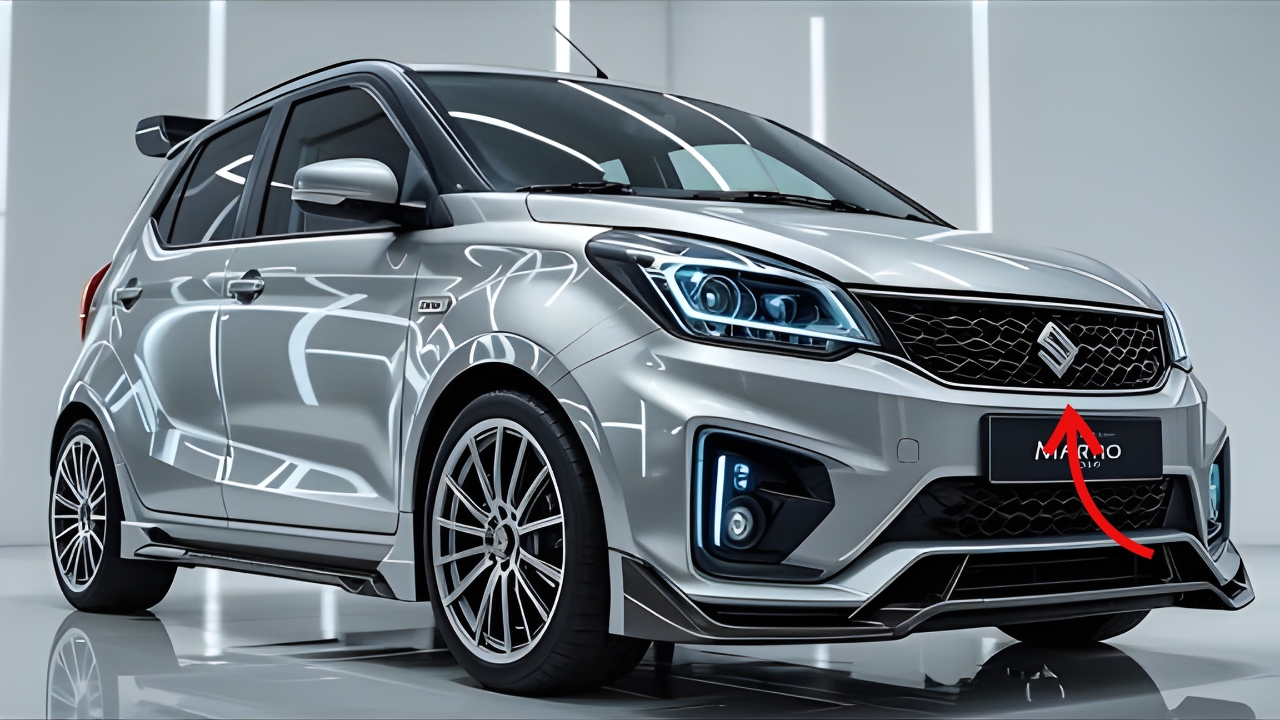
By the late 1980s and 1990s, the 800 had already become more than a car. It was a social milestone. It carried children to school, families on road trips, and employees to their first jobs in comfort that two-wheelers could not match. For millions of owners, the car was the first step into a new kind of independence.
Evolution And Facelifts
The Maruti 800 did not remain frozen in its original form. Over its long run, it received updates and facelifts to stay relevant in a changing market.
The car evolved mechanically and cosmetically over the years, adapting to stricter expectations and newer rivals while keeping its core identity intact.
Even as India’s car market expanded with more modern hatchbacks and better-equipped compact cars, the 800 continued to survive because of its immense brand value.
It was affordable to buy, inexpensive to repair, and widely understood by mechanics across the country. That combination is one reason it lasted for more than three decades.
Production Finally Ends
After an extraordinary run, Maruti Suzuki ended production of the Maruti 800 in 2013, and official reporting confirmed the shutdown in early 2014.
The company said that spare parts would continue to be available for customers for several years, following standard practice for phased-out models.
By then, the market had moved on. Safety norms, emission standards, customer expectations, and competition from newer hatchbacks made the old 800 less practical as a mainstream product.
Even so, ending production felt like closing a chapter in Indian automotive history. The car had served generations, and its exit was emotional for many enthusiasts and long-time owners.
Legacy That Still Matters
The Maruti 800’s legacy is still visible in the way India thinks about small cars. It helped normalize the idea that a family car could be compact, efficient, and affordable without feeling basic or undesirable. It also helped Maruti Suzuki grow into one of the most dominant automakers in the country.
More importantly, it shaped consumer expectations. Buyers began to value low running costs, strong service support, and ease of ownership, and the 800 set the standard for all three.
Even today, the model is remembered not just for its numbers but for its emotional impact on a generation that bought its first car because of it.
Maruti 800 : Why It Still Gets Talked About
Decades after its debut, the Maruti 800 remains a talking point because very few cars manage to become part of a nation’s everyday life the way it did. It was not a premium vehicle, and it was never meant to be one. Its greatness came from accessibility.
It democratized car ownership in India and gave millions of families a practical entry point into four-wheel mobility.
That is why the Maruti 800 is still remembered fondly in news stories, nostalgia pieces, and automotive discussions. It may no longer be in production, but its story is far from over.
Also Read This : Privacy Policy
In many ways, the car remains a benchmark for what a truly meaningful mass-market product can achieve when it is built for real people and real needs.